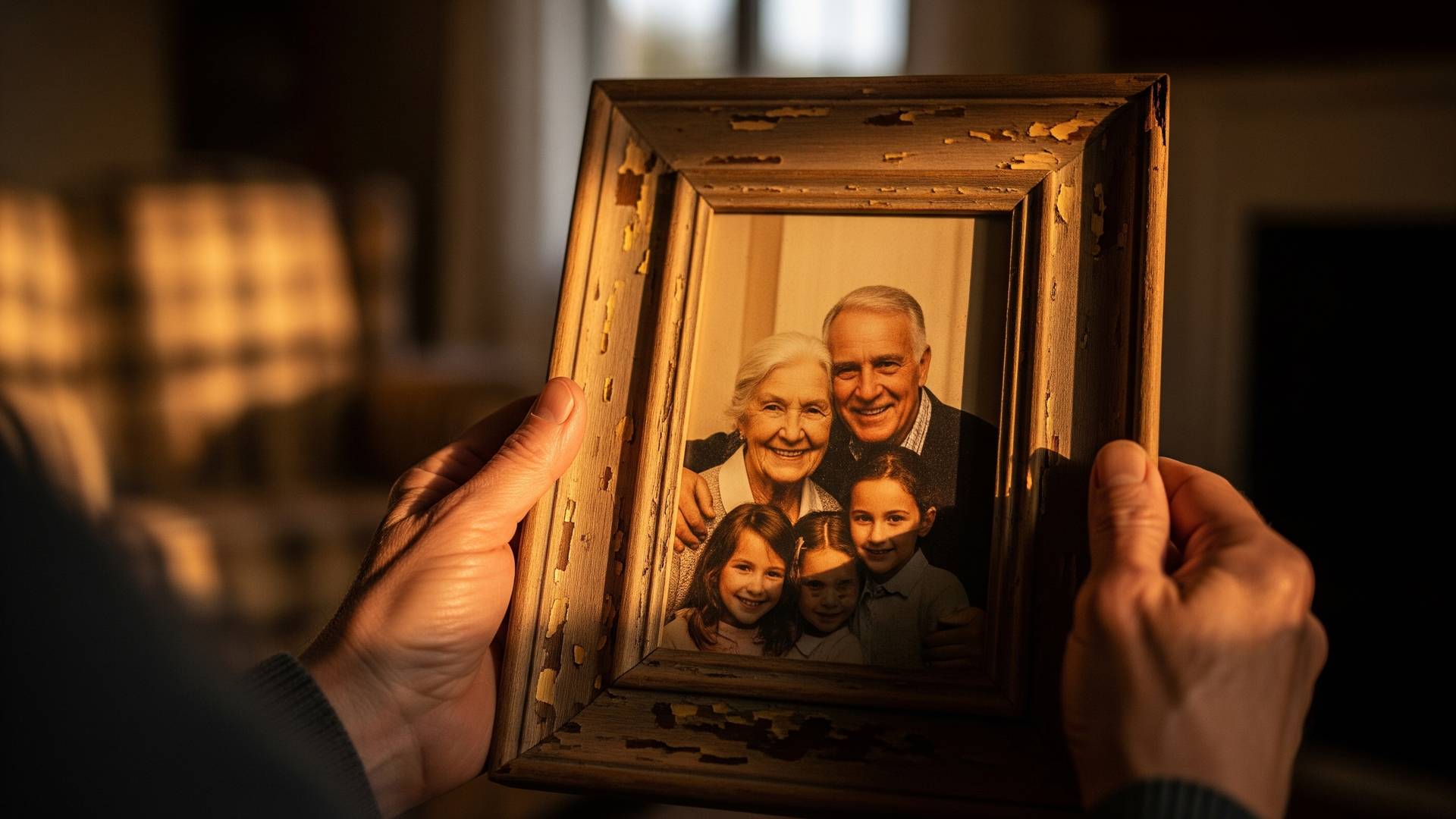
Definition · Parental alienation as a family-wide ripple effect
Parental alienation is a child's unjustified rejection of one parent, typically driven by the favoured parent's manipulative behaviours — and its damage extends well beyond the targeted parent. The affected family is the wider system around an alienated parent: grandparents who lose grandchildren, new partners who walk into a storm they did not create, siblings who are divided or absorb secondary trauma, and friends who drift away when the framework they apply ("kids are resilient", "give it time") does not fit. Research shows roughly 1 in 4 families is affected by grandparent estrangement, and alienating dynamics travel intergenerationally.
Working definition adapted from Harman, Kruk & Hines (2018) Psychological Bulletin on alienating behaviours as family violence and Avieli & Levy (2023) Family Relations on grandparent estrangement.
By Malcolm Smith · Last updated May 2026 · Based on peer-reviewed research
If you are reading this page, you may be the parent experiencing alienation. Or you may be someone who loves an alienated parent and is trying to understand what they are going through. Either way, what follows is important — because one of the most devastating aspects of parental alienation is how thoroughly it isolates the targeted parent from the people who could help them most.
Alienation is not a two-person event. It is a system with defined roles. The alienating parent, the child, the targeted parent — these are the central figures. But the blast radius extends to every relationship the targeted parent has. Grandparents are cut off. New partners are bewildered. Friends drift away. Extended family stops asking. And the targeted parent, already in crisis, loses the support network they need to survive it.
Understanding how alienation affects the wider circle is not secondary to the problem. It is part of the problem — and part of any solution.
The silent victims
How does parental alienation affect grandparents?
Of all the people affected by parental alienation beyond the targeted parent and child, grandparents may suffer the most — and receive the least recognition. A grandparent whose grandchild is alienated experiences a loss that is almost impossible to articulate: the child they helped raise, the child they held as a newborn, the child who ran to them with arms open — gone. Not dead. Not moved away. Simply erased.
Research by Avieli (2023), published in Family Relations, found that alienated grandparents consistently describe feeling "erased" — their very identity as grandparents is negated by the alienation. A separate study by Degges-White et al. (2024) found that grandparents' life satisfaction was significantly reducedby the number of alienating behaviours experienced, with grandchild brainwashing and withholding information being the strongest predictors of reduced wellbeing.
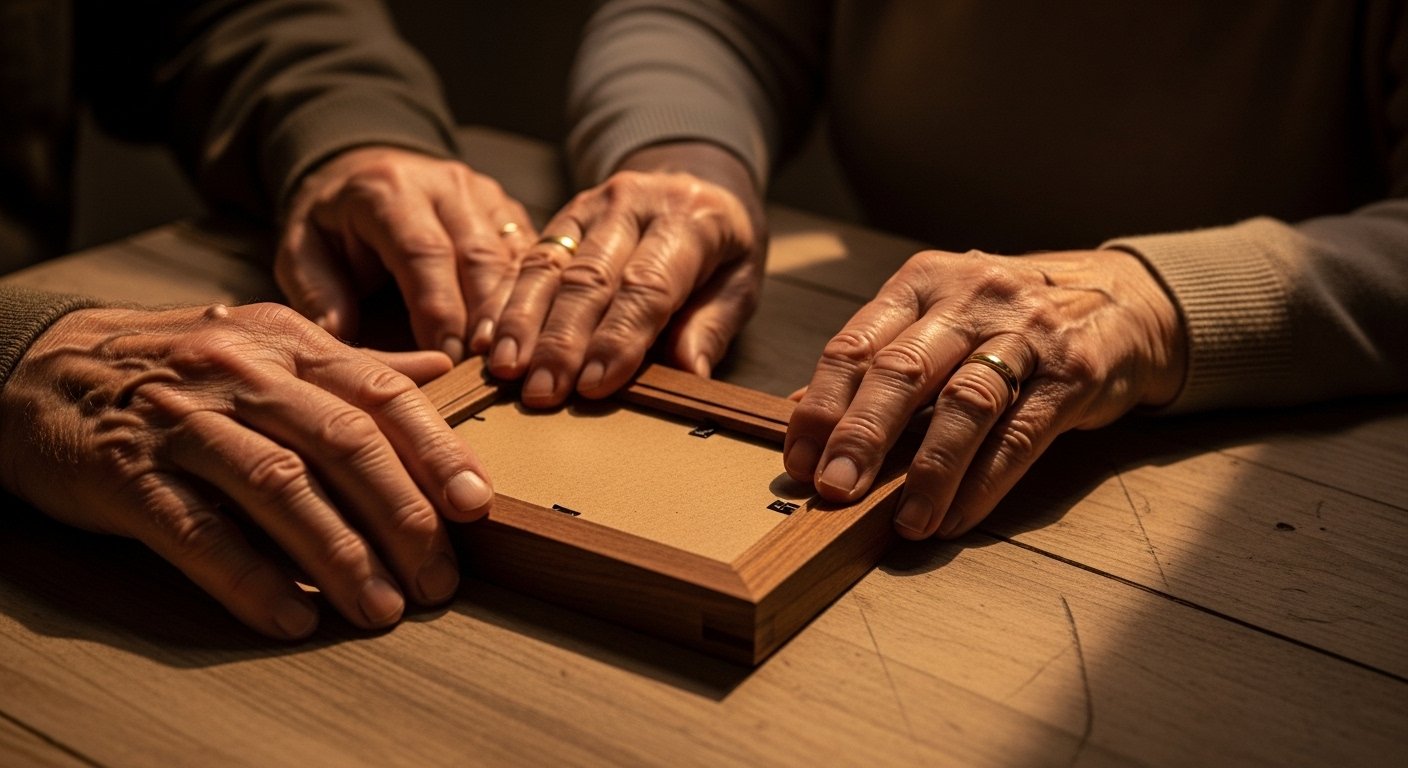
Figure 1. Alienated grandparents describe feeling "erased". Avieli (2023) found that grandparents' identity as grandparents is negated by the alienation; Degges-White and colleagues (2024) quantified the life-satisfaction loss as proportional to the number of alienating behaviours experienced. The grief is silent because the loss is unwitnessed — the child still exists, but is unreachable.
Editorial illustration: the silent grief of alienated grandparents.
Grandparents often carry an additional burden: they watch their own child — the targeted parent — suffer, and they cannot fix it. The helplessness of watching your adult child endure this kind of pain, knowing that your grandchild is being taught to hate or fear the person you raised, is a grief with very few parallels.
In many jurisdictions, grandparents have limited or no legal standing to seek contact with their grandchild. They are collateral damage in a system that barely acknowledgesthe targeted parent's loss, let alone theirs.
"My mother sends birthday cards every year to an address where they are probably thrown away. She does it anyway. She has done it for eight years. I have never seen anyone love so stubbornly."
Walking into the storm
How does parental alienation affect new partners?
Falling in love with an alienated parent means entering a world that most people cannot imagine. Your partner's grief is unlike anything you have seen before. It does not follow a trajectory. It does not get steadily better. It surges and recedes with court dates, birthdays, unexpected sightings, and the anniversaries of last contact.
As a new partner, you face a particular set of challenges:
- You cannot fix it. The instinct to solve the problem is strong, but this is not a problem that can be solved by love, logic, or effort. Your partner needs your presence more than your solutions.
- You may become a target. The alienating parent may frame your existence as evidence that the targeted parent has "moved on" and does not care about the child. Your presence in the targeted parent's life can, perversely, be used against them.
- The grief is not about you. When your partner withdraws on their child's birthday, when they cannot explain why a particular song makes them leave the room, when they seem distant for days — it is not a reflection of your relationship. It is the undertow of a loss that never fully recedes.
- Your own grief is valid. You may grieve for the stepchild you never got to know. For the family you imagined. For the version of your partner who is not carrying this weight. That grief matters too.
The partners of alienated parents rarely receive any support or acknowledgement. They carry an enormous burden quietly — and the alienated parents who are fortunate enough to have them often do not fully appreciate what it costs.
Divided loyalties
What happens to siblings when parental alienation occurs?
When an alienated parent has other children — whether from the same or a different relationship — the dynamics become extraordinarily complicated. A child who has been alienated may reject not only the targeted parent but also their half-siblings. Brothers and sisters are split apart by a conflict they played no part in creating.
For children in the targeted parent's current household, watching a sibling disappear is confusing and painful. They may ask questions that have no good answers: "Why doesn't my brother come any more?" "Does my sister not like us?" These children absorb the secondary trauma of alienation even if they are not directly targeted.
In some cases, the alienated child is turned against their half-siblings specifically — told that these children are "replacements," that the targeted parent loves them more, that they are evidence the targeted parent has forgotten the alienated child. This is a particularly cruel tactic — one of the ways family members become complicit in the alienation system — because it poisons not just the parent-child relationship but the sibling bond as well.
The things people say
Why do friends drift away during parental alienation?
"Just move on." "Kids go through phases." "Have you tried family therapy?" "There are two sides to every story." "Maybe if you didn't go to court so much..." "At least they're healthy."
Friends and family members who have not experienced parental alienation almost always get it wrong — not out of malice, but out of an inability to comprehend a situation that defies every normal assumption about how families work. They reach for the frameworks they know: divorce is hard, kids are resilient, time heals. None of these frameworks apply.
The result is that alienated parents learn, quickly, who they can talk to and who they cannot. The circle shrinks — which is why building a deliberate support teamis so important. Friendships that predated the alienation often do not survive it — not because of any failing on either side, but because the gulf between the experience and the ability to understand it is simply too wide.
What helps vs what hurts — a guide for friends and family
| What people say | Why it hurts | What to say instead |
|---|---|---|
| "Just move on" | Implies the parent should stop loving their child | "I can see this is still incredibly painful" |
| "Kids go through phases" | Minimises systematic manipulation as normal behaviour | "This sounds like something much deeper than a phase" |
| "There are two sides" | Equates the abuser and the target — the alienator's narrative | "I believe you. Tell me what happened" |
| "Have you tried therapy?" | Implies the problem is the parent's mental health | "Is there anything practical I can do to help?" |
| "At least they're healthy" | Dismisses psychological harm as less than physical harm | "I don't fully understand, but I'm here" |
| Stopping asking about the child | Treats the child as a taboo — deepens isolation | "How are you doing with [child's name]?" |
For friends and family reading this
If someone you love is going through parental alienation, here is what helps most:believe them. Do not try to see "both sides." Do not suggest they should try harder, fight less, or move on. Do not stop asking about their child. Do not treat the child as a topic to be avoided. Show up. Keep showing up. Say "I don't fully understand this, but I believe you and I am here." That sentence — or something like it — may be the most important thing anyone says to them this year.
The wider damage
How far does the ripple effect of parental alienation reach?
Parental alienation does not damage one person or two people. It damages an entire family system, across generations. The grandparents who are cut off. The aunts, uncles, and cousins the child no longer sees. The new siblings who grow up knowing they have a brother or sister they have never met. The friends who slowly stop calling because they do not know what to say.
Figure 1 — The ripple effect of parental alienation. Parental alienation expands outward from the targeted parent in concentric rings, each losing contact, role, or relationship as the alienation deepens.
Ring 1 (the alienated child): loses the rejected parent and develops splitting — perceiving the favoured parent as wholly good and the rejected parent as wholly bad.
Ring 2 (grandparents and new partner): grandparents describe feeling "erased" — they lose the grandchild AND watch their own adult child suffer; new partners walk into a storm they did not create and can become targets themselves.
Ring 3 (siblings and extended family): alienated children may reject half-siblings as "replacements"; siblings in the targeted parent's home absorb secondary trauma; aunts, uncles and cousins disappear from the child's life.
Ring 4 (friends and community): friends drift away when the frameworks they apply ("kids are resilient", "give it time") do not fit, and the gulf between experience and understanding becomes too wide to cross.
Diagram by Love Over Exile, after Harman, Kruk & Hines (2018) and Avieli & Levy (2023).
Who is affected and how
| Family role | How they are affected | What they lose |
|---|---|---|
| Grandparents | Cut off from grandchild; watch adult child suffer | Grandparent identity, family milestones, legacy |
| New partners | Absorb secondary grief; may become targets | The family they imagined; partner's full presence |
| Siblings / half-siblings | Split from brother or sister; absorb secondary trauma | Sibling relationship; sense of family wholeness |
| Aunts, uncles, cousins | Erased by association with the targeted parent | Extended family bonds; holidays and traditions |
| Friends | Cannot understand the experience; drift away | Friendship built on shared understanding |
| Future grandchildren | May never know their grandparent or extended family | Family history, identity, belonging |
And the damage extends forward in time — a form of ambiguous loss that never fully resolves. An alienated child who grows up without half their family carries that absence into adulthood. Their own children — the targeted parent's grandchildren — may never know their grandparent, their aunts, their cousins. The alienation can echo for generations if it is not interrupted.
This is why parental alienation is not a private family matter. The statistics confirm it is a public health issue that affects whole networks of people — most of whom have no voice in the proceedings, no standing in the courts, and no platform from which to say: this is happening to us too.
"They don't just take your child. They take your family. Your Christmas. Your future grandchildren. Your past, because they rewrite that too. They take everything that was connected to the person you are as a parent."
Frequently asked questions
How does parental alienation affect grandparents?
Grandparents experience a double loss: the grandchild they helped raise is erased from their lives, and they watch their own adult child suffer without being able to fix it. Research by Avieli (2023) found that alienated grandparents describe feeling "erased." Degges-White et al. (2024) found that life satisfaction was significantly reduced by alienating behaviours. In many jurisdictions, grandparents have limited or no legal standing to seek contact.
What happens to siblings when parental alienation occurs?
Siblings and half-siblings are often split apart. The alienated child may reject not only the targeted parent but their half-siblings too — sometimes told they are "replacements." Children in the targeted parent's household absorb secondary trauma, asking questions that have no good answers. The sibling bond is poisoned alongside the parent-child relationship.
How can friends and family support an alienated parent?
Believe them. Do not try to see "both sides." Do not suggest they try harder, fight less, or move on. Do not stop asking about their child. Show up consistently. Say: "I don't fully understand this, but I believe you and I am here." Avoid common but harmful phrases like "kids are resilient" or "just move on."
Why do friends drift away during parental alienation?
Friends who have not experienced parental alienation almost always misunderstand it. They apply frameworks that do not fit — "divorce is hard," "kids go through phases," "time heals." Alienated parents quickly learn who they can talk to and who they cannot. The gulf between the experience and the ability to understand it is often too wide for friendships to survive.
Does parental alienation affect new partners?
Yes. New partners enter a world of grief that surges with court dates, birthdays, and anniversaries of last contact. They may become targets themselves, as the alienating parent frames their existence as "proof" the targeted parent has moved on. Partners also grieve: for the stepchild they never knew, the family they imagined, and the version of their partner not carrying this weight.
References
- Avieli, H., & Levy, I. (2023). "I feel erased": A qualitative analysis of grandparent experiences of parental alienation. Family Relations, 72(3), 976–992. Wiley Online Library · Source for alienated grandparents' experience of "erasure".
- Degges-White, S., Hermann-Turner, K., Kepic, M., Randolph, A., & Killam, W. (2024). Grandparent alienation: A mixed method exploration of life satisfaction and help-seeking experiences of grandparents alienated from their grandchildren. The Family Journal. SAGE Journals · Source for reduced life satisfaction findings in alienated grandparents.
- Bounds, O., & Matthewson, M. (2023). Parental alienating behaviours experienced by alienated grandparents. Journal of Family Issues. SAGE Journals · Australian qualitative study of alienated grandparents' experiences.
- Harman, J. J., Kruk, E., & Hines, D. A. (2018). Parental alienating behaviors: An unacknowledged form of family violence. Psychological Bulletin, 144(12), 1275–1299. DOI: 10.1037/bul0000175 · Summary · Meta-review classifying PA as a form of family violence — grounding the ripple-effect framing.
- Miralles, P., Godoy, C., & Hidalgo, M. D. (2023). Long-term emotional consequences of parental alienation exposure in children of divorced parents: A systematic review. Current Psychology, 42, 12055–12069. Springer · Systematic review of cascade-of-losses effects on children.
- Doka, K. J. (Ed.). (2002). Disenfranchised Grief: New Directions, Challenges, and Strategies for Practice. Research Press. Publisher · Source for disenfranchised-grief concept applied to grandparents and extended family.
See the full curated bibliography on our research page.