Why is parental alienation classified as an Adverse Childhood Experience?
By Malcolm Smith · Last updated April 2026 · Based on peer-reviewed research
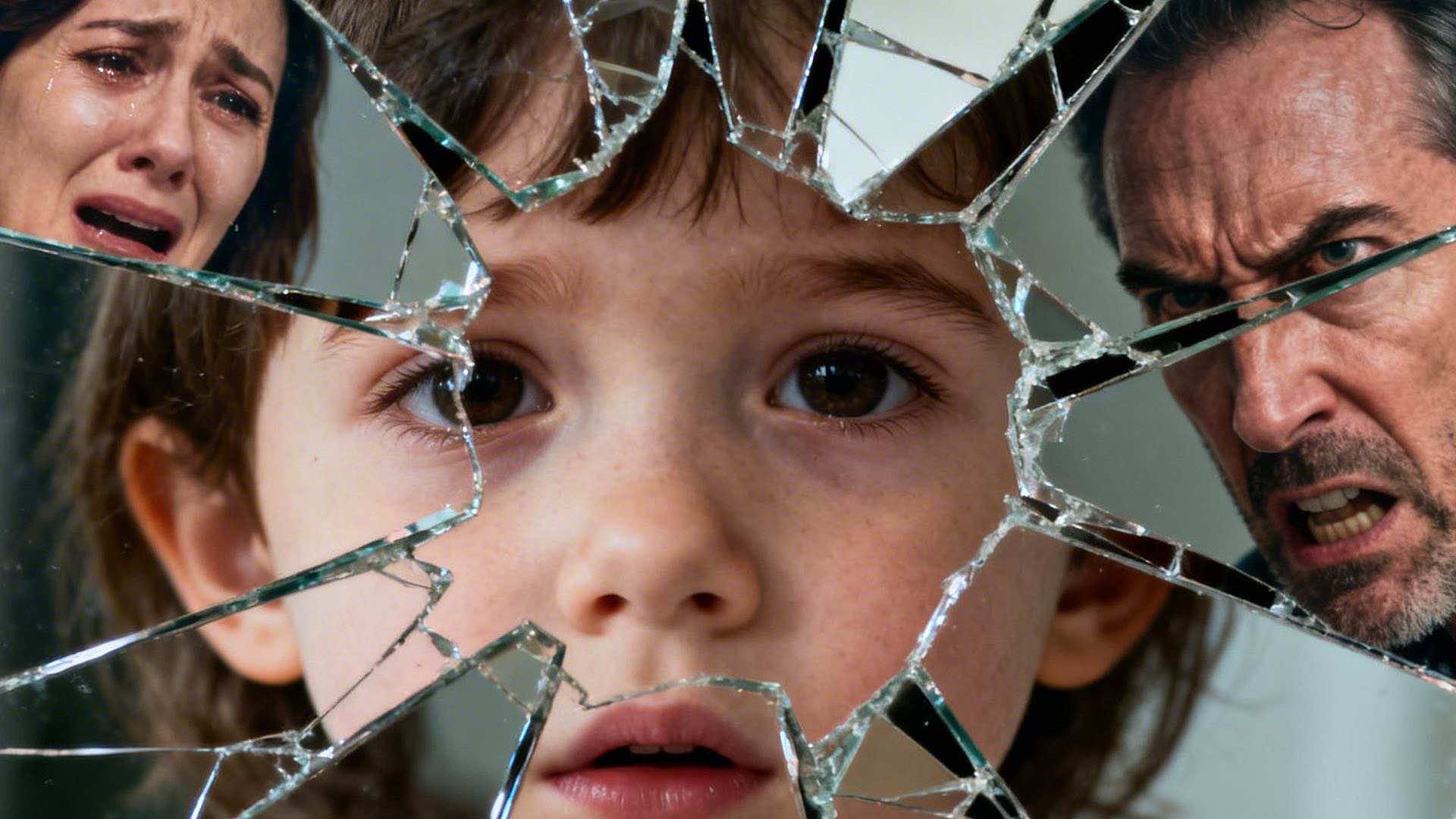
Perhaps the most significant shift in recent years is the classification of parental alienation as an Adverse Childhood Experience (ACE). We now know that the chronic stress of alienation does not just hurt a child's feelings — it alters their physiology.
A major 2023 Norwegian study by Meland and colleagues confirmed what clinicians had long observed: a dose-response relationship between alienating behaviours and mental health symptoms. The more alienating behaviours a child is exposed to, the more severe their PTSD, depression, and anxiety symptoms become. This is not a binary — it is a gradient of damage, directly proportional to exposure.
Newer studies by Harman and colleaguesindicate that alienated children frequently develop symptoms consistent with Complex PTSD: chronic anxiety, hypervigilance, and emotional numbing. Over time, the child's stress-response system remains activated far beyond what is healthy, leaving their body permanently primed for danger.
What does parental alienation do to a child's nervous system?
As Bessel van der Kolkexplains in The Body Keeps the Score, prolonged threat literally reshapes the nervous system. Chronic fear activates the amygdala — the brain's alarm centre — and disrupts the prefrontal cortex, which governs emotional regulation and reality testing.
For an alienated child, this means the part of the brain responsible for calm, rational thought is being systematically impaired, while the part responsible for fear and threat detection is being constantly reinforced. The child does not just feel afraid — their brain is being physically rewired for fear.
The consequences are not abstract. Alienated children frequently develop somatic symptoms — unexplained stomach aches, headaches, dizziness, and panic attacks. Their bodies carry what their minds cannot process.
Adult survivors of alienation frequently report panic or shutdown in close relationships, a constant background tension they cannot explain, and a persistent sense that something bad is about to happen — even in safe moments. The tragedy is that their nervous system has been wired for war, making peace a difficult state to find, even years later.
"The alienated child's nervous system has been wired for war. Peace becomes a state their body does not trust — even when it is finally safe."
What are the long-term effects of parental alienation (Baker's research)?
Dr Amy Baker's landmark qualitative researchwith adults who were alienated as children reveals that what appears to "resolve" with time often continues quietly, shaping identity and self-worth well into adulthood. Her study of 40 survivors showed that alienation is not a chapter they close — it is a shadow they carry. Verhaar, Matthewson & Bentley's (2022) qualitative study of 20 adults alienated in childhoodquantified these outcomes, finding that 100% reported lasting mental-health impact, with depression and anxiety (55%), suicidal ideation (30%), self-harm (15%), and substance-use difficulties (55%) among the most common.
Short-term vs long-term effects of parental alienation on children
| Domain | Short-Term Effects | Long-Term Effects (Adulthood) |
|---|---|---|
| Attachment | Insecure attachment to both parents | Difficulty forming and maintaining intimate relationships (Baker, 2007) |
| Identity | Confusion about who they are | Identity fracture — rejecting half of themselves |
| Mental health | Anxiety, depression, behavioural problems | Higher rates of depression, PTSD, substance abuse (Verhaar, Matthewson & Bentley, 2022) |
| Relationships | Difficulty trusting, splitting behaviour | Higher divorce rates, repeating alienation patterns with own children |
| Self-esteem | Guilt, shame, feeling "bad" | Deep self-hatred, feeling fundamentally flawed |
| Moral development | Learning that manipulation is normal | Moral injury — suppressed guilt about rejecting a loving parent |
| Autonomy | Enmeshment with alienating parent | Difficulty individuating, vulnerability to controlling relationships |
Depression and anxiety
Adults who were alienated as children report significantly higher rates of depression and anxiety than the general population. The chronic stress of managing a loyalty conflict during formative years leaves lasting marks on the nervous system. Childhood ends, but the internal consequences — feelings of low achievement, self-loathing, and persistent depression — often do not.
Self-hatred and internalisation
When a child is taught to hate one parent, that hatred cannot remain directed outward. It inevitably turns inward. Baker's interviews reveal what psychologists call the "internalisation of the bad object" — participants described growing up believing they were made of "good" and "bad" parts. Rejecting one parent means rejecting half of themselves. This internal split is lived as confusion, self-doubt, and quiet self-contempt.
Attachment injury
Alienation strikes at the heart of attachment — the system through which children learn whether love is safe. Baker found high rates of divorce and relationship instability among survivors. They often chose emotionally unavailable partners or ended relationships prematurely to avoid vulnerability. The defences that saved them as children — emotional distancing, splitting people into "all good" or "all bad" — become the very walls that isolate them as adults.
Moral injury
Dr Richard Warshak emphasises a devastating dimension that goes beyond the loss of a relationship: alienation corrupts the child's developing character. Honesty is replaced by strategic deception. Empathy is overwritten by ridicule and coldness. Gratitude is twisted into entitled contempt. The child learns that the targeted parent is an exception to the rules of human decency — a "moral exception zone" that fragments their developing ethical framework.
Substance abuse and identity confusion
Baker's interviews consistently found high rates of substance abuse and profound identity confusion. A child who was taught that half of who they are — the half that comes from you — is bad, dangerous, or worthless absorbs that message into their core identity. Many alienated adults describe a deep sense of not knowing who they really are. This is not resilience. It is a child's desperate adaptation to a constant threat.
Vulnerability to manipulation
A child who was conditioned to suppress their own feelings and prioritise a parent's emotional needs is primed for exploitative relationships in adulthood. The pattern of self-erasure does not stay in childhood. It follows them into friendships, partnerships, and workplaces — anywhere that someone with power demands compliance as the price of acceptance.
The weight of retrospective guilt
When alienated children eventually understand what happened — and many do — the guilt is devastating. Warshak describes a crushing wave of retrospective guilt that washes over adult survivors. They are haunted by the years of lost time and by specific memories of their own cruelty toward the parent who never deserved it.
They grieve the years they lost. They grieve the parent they rejected. And they grieve the version of themselves that was complicit in something they now recognise as wrong. This grief needs as much compassion as your own — perhaps more, because unlike you, they did not have the benefit of understanding what was happening at the time.
"Your child is not your enemy. They are the other victim of the same process that is destroying you. Fight for them — not against them."
Frequently asked questions
Is parental alienation an Adverse Childhood Experience (ACE)?
Yes. Recent research confirmed a dose-response relationship between alienating behaviours and mental health symptoms including PTSD, depression, and anxiety. Harman's research links alienation to Complex PTSD symptoms.
What are the long-term effects of parental alienation on children?
Baker's (2007) research documents depression, anxiety, self-hatred, attachment injury, moral corruption, substance abuse, identity confusion, and vulnerability to manipulation. Verhaar, Matthewson & Bentley (2022) quantified these outcomes in 20 adults alienated in childhood: 100% reported mental-health impact, 55% depression/anxiety, 30% suicidal ideation, 15% self-harm, and 55% substance-use difficulties.
How does alienation affect a child's nervous system?
As van der Kolk explains, prolonged threat reshapes the nervous system. The amygdala is chronically activated while the prefrontal cortex is impaired, leading to somatic symptoms like stomach aches, headaches, and panic attacks that persist into adulthood.
Do alienated children feel guilt when they wake up?
Yes. Warshak describes a crushing wave of retrospective guilt. Adult survivors are haunted by lost time and memories of their own cruelty toward the targeted parent. This grief needs compassion.
References
- Baker, A. J. L. (2007). Adult Children of Parental Alienation Syndrome: Breaking the Ties That Bind. W. W. Norton & Company. Publisher · In catalogue
- Bentley, C., & Matthewson, M. (2020). The not-forgotten child: Alienated adult children's experience of parental alienation. The American Journal of Family Therapy, 48(5), 509–529. DOI: 10.1080/01926187.2020.1775531 · Qualitative interview study (n=10).
- Verhaar, S., Matthewson, M. L., & Bentley, C. (2022). The impact of parental alienating behaviours on the mental health of adults alienated in childhood. Children, 9(4), 475. DOI: 10.3390/children9040475 · PMC · Plain-language summary · Thematic analysis of 20 adults alienated in childhood; source for the 100% mental-health-impact and 50% intergenerational-transmission findings.
- van der Kolk, B. (2014). The Body Keeps the Score: Brain, Mind, and Body in the Healing of Trauma. Viking. besselvanderkolk.com
- Harman, J. J., Kruk, E., & Hines, D. A. (2018). Parental alienating behaviors: An unacknowledged form of family violence. Psychological Bulletin, 144(12), 1275–1299. DOI: 10.1037/bul0000175 · PubMed · Summary
- Warshak, R. A. (2010). Divorce Poison: How to Protect Your Family from Bad-mouthing and Brainwashing (New and Updated Edition). William Morrow / HarperCollins. warshak.com
See the full curated bibliography on our research page.